

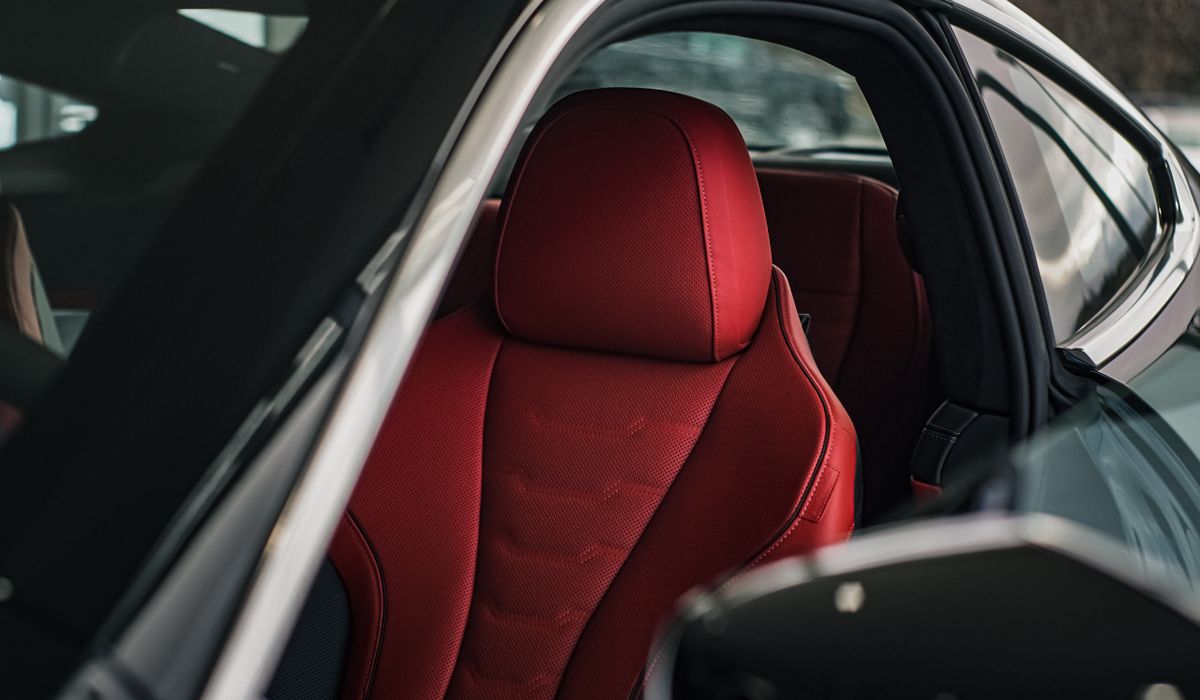
Choosing a luxury saloon for family life in London is a balancing act. You want the hushed calm of a premium cabin, but you also need something that copes with narrow streets, speed bumps, tight kerbside parking and the stop-start reality of the North Circular. Get the basics right and a well-chosen saloon can be a pleasure for years. Get them wrong and you will feel it every month.
Start with the cabin, not the badge
Before you fall for a glossy paint colour or a clever dashboard, sit in the car properly. The driving position should feel natural, with a seat that supports your thighs and a steering wheel that adjusts for both reach and rake. In London, where you may spend forty minutes covering three miles, comfort is not a luxury — it is the whole point.
Check the rear seats with your family in mind. Fit your child seats before you buy, and look at how wide the rear doors open; a narrow opening is a daily frustration in tight parking bays. Rear legroom matters more than boot litres on paper, but a saloon boot of around 450 to 530 litres will swallow a weekly shop, a folded pushchair and a couple of cabin bags. Look for a split-folding rear seat and a ski hatch if you carry longer items.
Listen for wind and road noise on the test drive. Acoustic glazing, thick door seals and a quiet tyre choice make a bigger difference than most buyers expect. Avoid the largest alloy wheels if comfort matters; low-profile tyres look sharp but transmit every ridge and pothole into the cabin.
Engine refinement matters more than outright pace
In town, smoothness beats speed. A refined four-cylinder petrol or a hybrid often suits London better than a powerful diesel. Hybrids shine in stop-start traffic, creeping silently and recapturing energy under braking. If you regularly drive long motorway distances, a diesel can still make sense, but short urban journeys risk clogging the particulate filter — an expensive repair that is entirely avoidable.
Pay attention to the gearbox at low speed. Some automatic transmissions shuffle and jerk in traffic, which becomes tiresome quickly. A well-calibrated torque converter automatic or a smooth hybrid system is worth seeking out. If the car has air suspension, enjoy the ride but budget for its upkeep; it is comfortable when new and costly when it ages.
Technology that earns its place
Modern saloons are packed with features, but only some are genuinely useful. Prioritise the ones you will use daily.
- Parking cameras and sensors — a 360-degree view is a genuine help on narrow streets and in multistorey car parks.
- Adaptive cruise control — takes the strain out of motorway runs and average-speed zones.
- Heated seats and a heated windscreen — a small thing on a cold February morning, and a big one.
- Smartphone mirroring — built-in navigation dates quickly, so support for your phone is more valuable.
- Rear USB and climate controls — keeps passengers happy on longer trips.
Check whether any features require an ongoing subscription. A car that seems well equipped may hide its best functions behind a monthly fee.
Running costs: the numbers that surprise buyers
A luxury saloon is rarely cheap to run, and London adds its own bills. Insurance premiums in the capital can be steep, particularly for higher-powered models. Tyres on 19- or 20-inch wheels can cost several hundred pounds for a full set, and stop-start traffic wears brakes faster than steady motorway miles.
Factor in the Ultra Low Emission Zone and congestion charges if you drive into central London, plus residents' parking permits and the risk of kerbed alloy wheels. Real-world fuel economy is usually worse than the official figure, especially on short urban trips. Set aside a maintenance fund of a few hundred pounds a year, and more for an older car with complex suspension or a hybrid battery out of warranty.
Buying used: what to check before you commit
A full service history is the starting point, not the finish. Look for evidence of regular oil changes, gearbox servicing and brake fluid changes. On a test drive, listen for knocks over speed bumps, feel for vibration through the steering wheel and check that every electronic feature actually works.
- Inspect tyre wear for uneven patterns, which can hint at alignment or suspension issues.
- Check the alloy wheels for kerb damage, common in city cars.
- Ask about the hybrid battery health if applicable, and any remaining warranty.
- Look at the MOT history and the number of previous owners.
- Have an independent specialist inspect the car before you hand over any money.
Park it in a tight bay during the test drive. If it feels stressful now, it will feel stressful every day.
Keeping it sweet once it is yours
Short London journeys are hard on any car. Battery charge drops, oil never fully warms, and exhaust systems corrode. If you mostly drive short distances, use a trickle charger, take a longer run occasionally, and stick to shorter service intervals than the handbook suggests.
Wash the underside in winter to rinse away salt, keep tyre pressures correct, and check alignment after kerbing a wheel. Find a good independent specialist who knows your model, keep every receipt, and deal with small faults before they grow. A well-maintained luxury saloon can stay refined and reliable for a long time — and it will hold its value far better when you come to sell.






John Doe
14 January, 2022Having no content in post should have adverse..
Chauffina Carr
10 April, 2022We use these tests all time! Killer stuff!
Jim Séchen
16 July, 2022Thanks for all the comments, everyone!